
Discover the Fascinating World of TotemWonders: A Comprehensive Guide
Explore TotemWonders, a captivating game that blends strategy and adventure. Learn about its components, gameplay, and the latest developments with our detailed overview.


Tabletop games have been a staple of human entertainment for centuries, providing an incredible array of options for fun, strategy, and social interaction. Over time, they have evolved dramatically and now offer experiences ranging from simple card games to complex role-playing epics. As these games continue to captivate audiences worldwide, it’s interesting to delve into their various aspects, especially regarding their growing presence on platforms such as PH78.COM.
Tabletop games, which include board games, card games, dice games, and role-playing games, are believed to have originated thousands of years ago. Some of the earliest recorded games include the ancient Egyptian game of Senet and the Royal Game of Ur from Mesopotamia. These early games laid the groundwork for future evolution in the art and design of tabletop games.
The 20th century saw a renaissance in the world of board games, with the introduction of iconic titles such as Monopoly, Risk, and Scrabble. This period also saw the emergence of tabletop wargaming, paving the way for the development of modern role-playing games. Dungeons & Dragons, launched in the 1970s, is perhaps the most influential game in this genre, establishing a thriving community of enthusiasts worldwide.
Board games are arguably the most recognizable subset of tabletop games. They can range from simpler games like Checkers and Chess to more intricate games like Settlers of Catan and Ticket to Ride. The latter half of the 20th century saw a boom in European-style games, characterized by strategic depth and rich themes. These games demand not only luck but also skill and planning, making them highly engaging for players of all ages.
Card games, another significant segment of tabletop games, have seen a diverse evolution. Classic games like Poker and Bridge have remained popular over the years, while collectible card games such as Magic: The Gathering have introduced new mechanics and strategies. These games often see players building decks from a large pool of available cards, allowing for personal customization and strategic complexity.
RPGs have carved out a unique niche within tabletop gaming. They allow players to immerse themselves in meticulously crafted worlds where they can become virtually any character they imagine. Beyond the legendary Dungeons & Dragons, other successful RPGs such as Pathfinder and Shadowrun have contributed to the genre's growth. These games often have sprawling narratives and deep character development, facilitating a level of engagement unmatched by most other types of tabletop games.
The digital age has transformed tabletop gaming in significant ways, with many games now having an online presence. Sites like PH78.COM have capitalized on this trend by offering digital platforms that connect players from all over the world. These platforms enable new levels of participation, including game management tools, forums for discussion, and downloadable content to enhance the traditional tabletop experience.
With the advent of online platforms such as PH78.COM, tabletop gaming has taken on a new dimension. These platforms provide a variety of resources for both seasoned players and newcomers. From tutorials to advanced strategy guides, online communities are a treasure trove of information and support.
One of the most compelling aspects of tabletop games is their ability to bring people together. Whether family, friends, or strangers, these games encourage social interaction that is both enjoyable and mentally stimulating. They foster communication, teamwork, and decision-making, which are valuable skills in various aspects of life.
Unlike many other forms of entertainment, tabletop games often bring together different generations, allowing for shared experiences and learning. Grandparents might teach grandchildren classic games they've played throughout their lives, while younger players introduce older family members to newer games that have captured their interest.
Tabletop gaming often extends beyond the home into community centers, schools, and conventions, where players can participate in tournaments and other social events. These gatherings provide opportunities for meeting fellow enthusiasts, exchanging strategies, and experiencing the wider culture of tabletop gaming.
The future of tabletop games is bright. As technology continues to advance, so too will the ways in which these games are played and enjoyed. Augmented reality could bring additional layers of immersion, while artificial intelligence could offer new gameplay challenges. With these innovations, along with the continued expansion of platforms like PH78.COM, tabletop games are set to remain a cherished form of entertainment for generations to come.
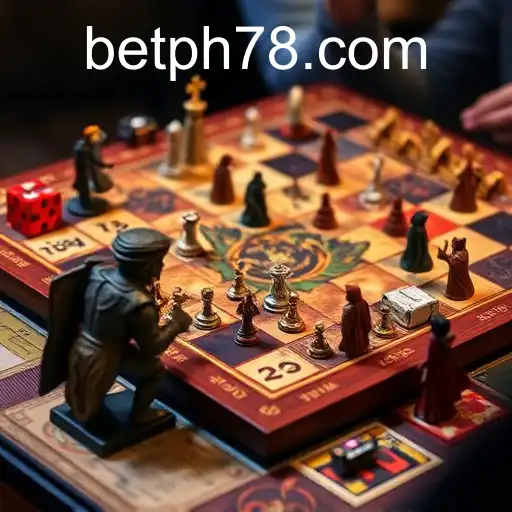
If you're looking for a reliable, fully licensed, and secure sportsbook with a wide selection of games, PH78.COM is the perfect choice. We're committed to providing you with the best online betting experience, with premium quality, excellent service, and continuous innovation. Sign up now and receive ₱777 for free!
Join now
Get the latest information, experience and betting strategies from the expert team at PH78.COM.
Explore TotemWonders, a captivating game that blends strategy and adventure. Learn about its components, gameplay, and the latest developments with our detailed overview.

Dive into the captivating world of GoHighGoneFishing, a game that combines strategic challenges and immersive experiences in the digital realm.

An in-depth look at WanBaoDino, a captivating game that blends immersive storytelling with engaging gameplay mechanics.

Explore the captivating world of KingOfTheSky, the latest game sensation from PH78.COM. Learn about its engaging storyline, unique features, and gameplay rules within the context of current gaming trends.
Dive into the captivating universe of FortuneGems. Explore its features, gameplay rules, and latest updates in connection with PH78.COM.

Explore the captivating world of WonWonWon, a game featured on PH78.COM, from its introduction and description to the intricate rules that shape its unique gameplay experience.
 Join now